WHY ARE THERE GALGO-MARCHES?
HUNTING WITH GALGOS IN SPAIN
Every year in Spain, tens of thousands of hunting dogs are discarded, abandoned or killed at the end of the hunting season. Every year! They are disposed of because they are injured, too weak, too old, too slow, too clever, too experienced or not aggressive enough. Because they have visual defects, the wrong colour or ear position, or because their fangs protrude too far. They are disposed of like rubbish. There are plenty of replacements. This is the fate of the galgos. Galgo Español – the Spanish greyhound. It has been used for hunting for over 2000 years. Hunting instinct, speed and agility are firmly rooted in its DNA. And that has been the breed's undoing.
Spain is the only EU country where hunting with dogs is still permitted. Galgos are mainly used here for hunting hares. It is a leisure activity for the galgueros, for entertainment, for fame and honour, and for betting winnings. In any case, it is the dogs who suffer.
The hunting season begins in October and ends on 1 February. Spanish animal welfare organisations have declared this day Día del Galgo, World Galgo Day, to draw attention to the fate of hunting dogs. Because every year, the mass culling begins anew. The dogs are abandoned, left with fractures in open fields, killed, thrown into riverbeds in rubbish bags, thrown into wells or ravines, hanged from trees, doused with acid, run over, dragged to death behind cars or quads during training... or at least handed over to state killing stations or private animal shelters.
The owners of the dogs are called galgueros, or ‘hunters’. The figure of 50,000 abandoned hunting dogs has been circulating in the animal welfare scene for many years. It is based on a voluntary survey of participating Spanish animal shelters. There are no official surveys by the state. There, the problem is hushed up and kept small by a lack of reporting. Hunting associations and politicians repeatedly refer to isolated cases. However, local animal welfare activists now estimate that up to 250,000 hunting dogs, including 80% galgos, suffer this fate every year. This makes the galgo the ambassador for all abused hunting dogs in Spain.
In the absence of official surveys and current statistics, we have decided to refrain from citing specific figures and instead refer to tens of thousands of hunting dogs that are abandoned, surrendered or killed every year. This at least gives an idea of the scale of suffering to which hunting dogs in Spain are helplessly exposed.
Hunters seem to make up a tiny fraction of the Spanish population, at 1.6%. But on the one hand, that's just the number of registered hunting licences, and on the other hand, it's not uncommon for a galguero to have 30-40 or even way more dogs. And about 85% of the country's land is privately owned. Hunters have 31,002 hunting grounds at their disposal, of which only 4,000 are public and can be managed by hunting clubs or associations.* This means that galgueros have huge areas at their disposal that are almost impossible to control. In addition, the hunting lobby is powerful and influential.
*Source:
https://www.animalwelfareintergroup.eu/files/default/2021-02/On%20Galgos_Yo%20Galgo_EU.pdf
But why are so many dogs disposed of every year?
Hunting is a lucrative business; for the galgueros, it is a matter of honour, fame and profit. They breed dogs in large numbers in order to produce the champion. Dogs that prove unsuitable during preparation or during the hunting season are culled. Galgos that have reached the age of three are already considered too old for hunting and are culled. Experienced dogs that have learned to hunt efficiently are culled. Injured dogs are culled. Dogs with visual defects are culled. Aged breeding dogs are culled. There are enough dogs, and no galguero wants to afford to feed useless dogs after the hunting season.
Hunting dogs in Spain are under the jurisdiction of the Ministry of Agriculture, Fisheries and Food (MAPA) and are treated similarly to farm animals; they are excluded from the new animal welfare law.
The galgueros can breed and cull the dogs undisturbed, year after year. They do not have to fear penalties or sanctions. And animal welfare organisations have hardly any means to report poor husbandry, neglect or abuse of dogs.
This is the situation of hunting dogs in Spain. Large sections of the Spanish population know nothing about the fate of these dogs in their own country.
It is difficult for information to reach urban areas from remote rural areas. Animal welfare organisations work tirelessly to raise awareness and educate the public about the suffering of these dogs. Slowly, awareness is growing among the Spanish population. But there is still a long way to go.
Why are we demonstrating in Germany?
Spanish animal welfare organisations work around the clock to rescue dogs, take them into shelters, treat their injuries, cure their illnesses and then rehome them in collaboration with partner associations in Spain and abroad. It is a Sisyphean task, because the flood of dogs shows no sign of abating.
Many rescued Spanish hunting dogs find a home in Germany. There are many organisations here working for animal welfare abroad, and there are many volunteers who travel to Spain year after year to help out at the animal shelters during their holidays. With the Galgo March, we want to draw attention to the fate of Spanish hunting dogs, raise awareness of the issue and support animal welfare locally. And we want to exert social pressure on politicians so that a European animal welfare law can be introduced.
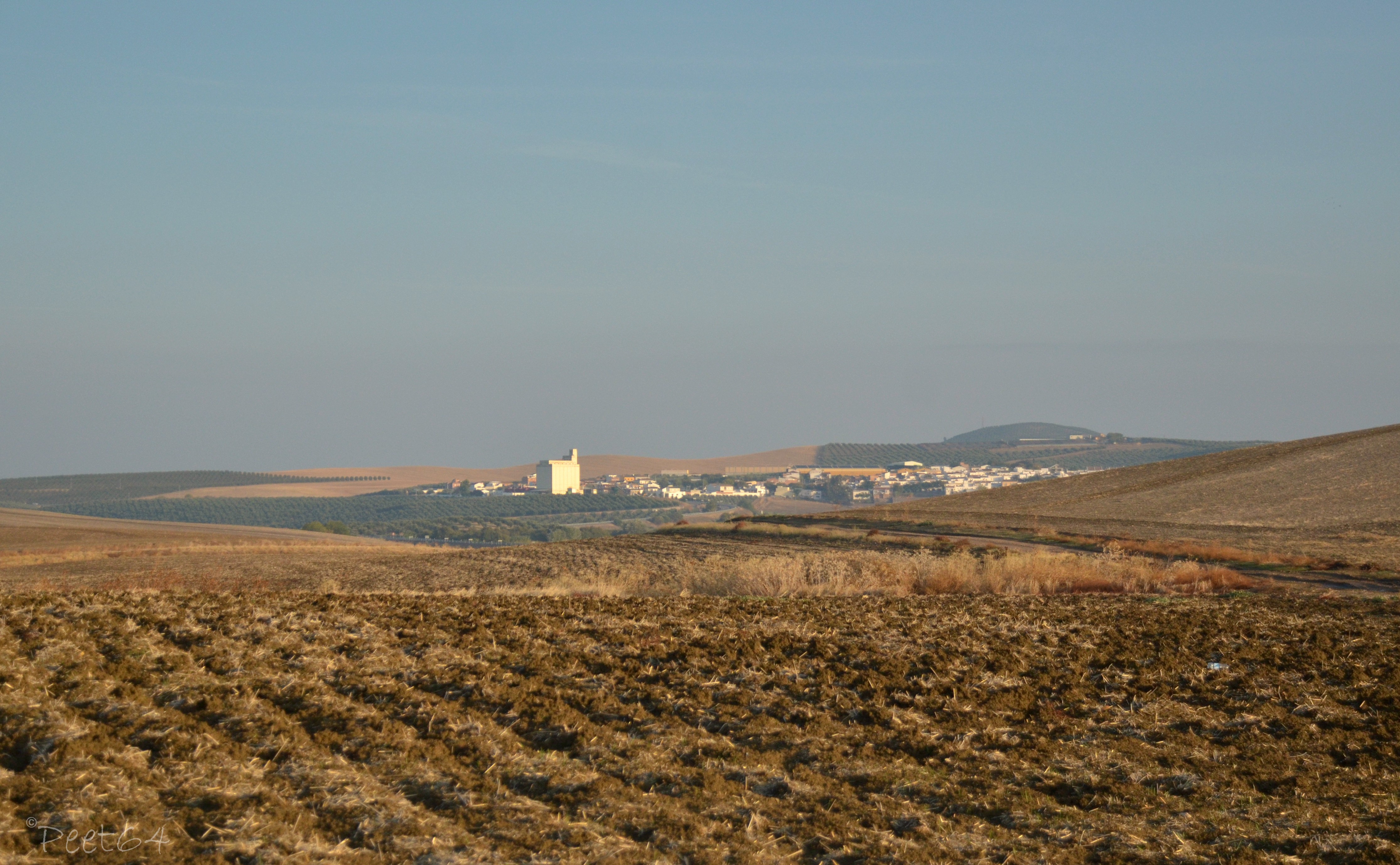
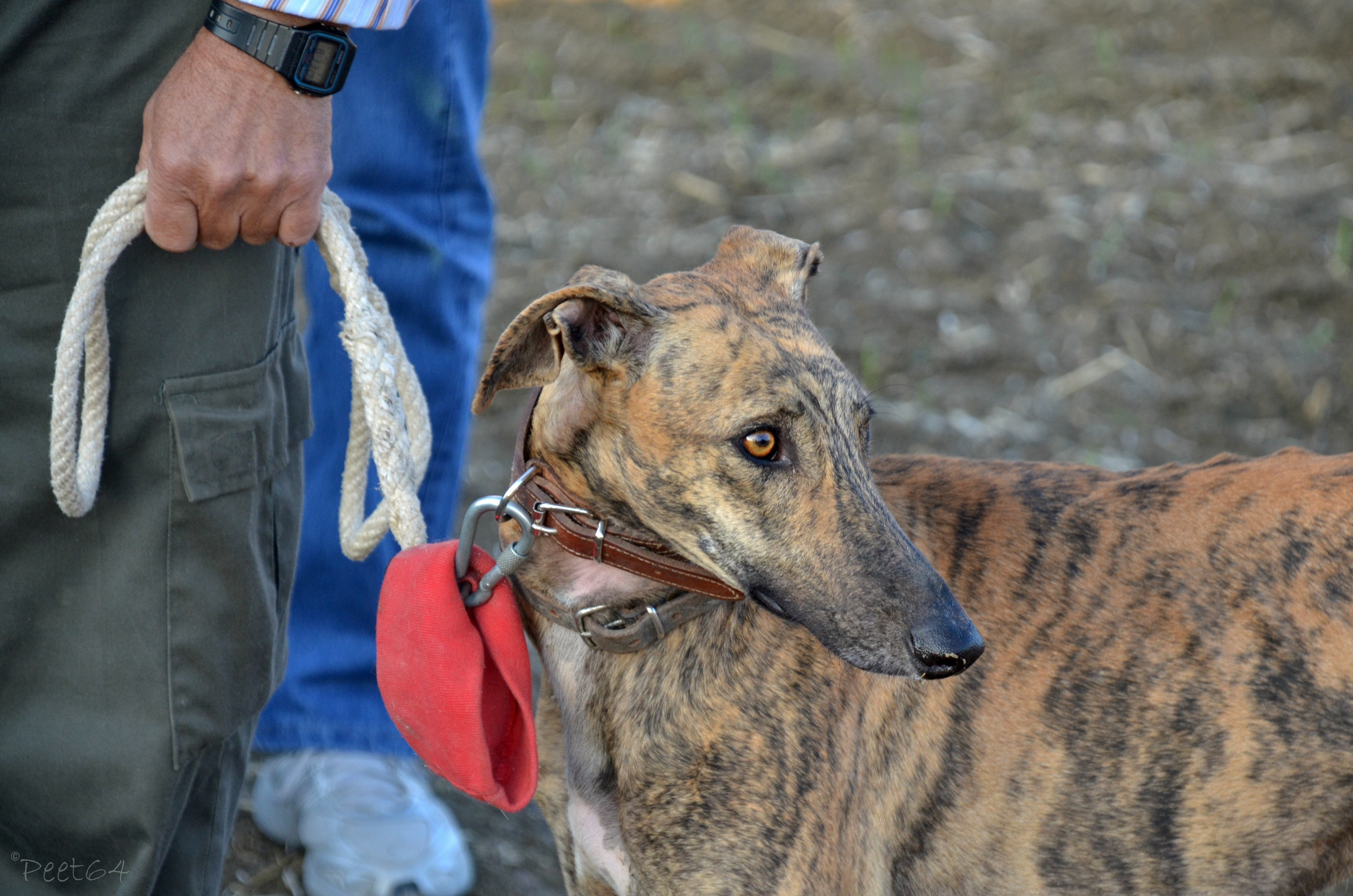
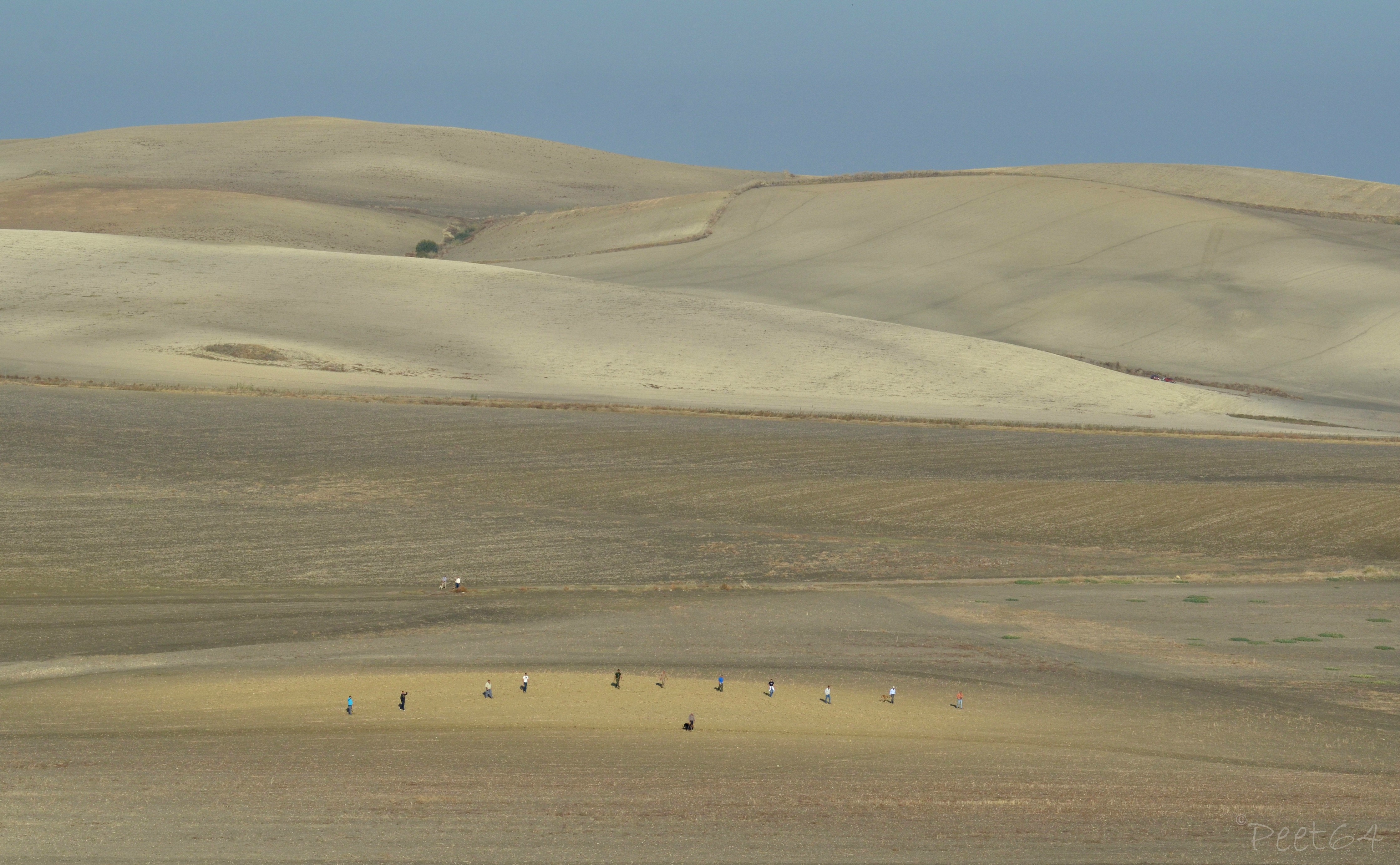
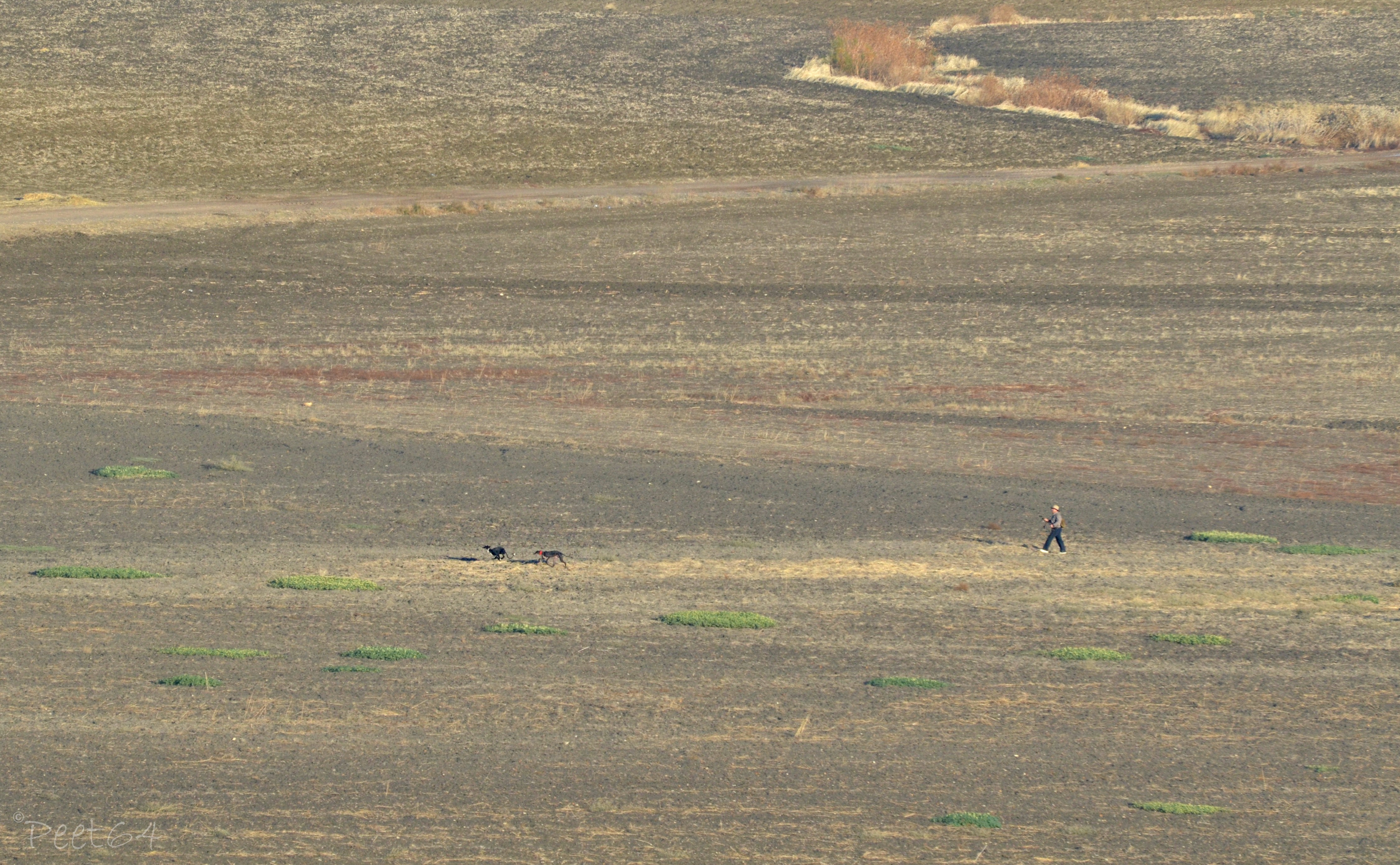
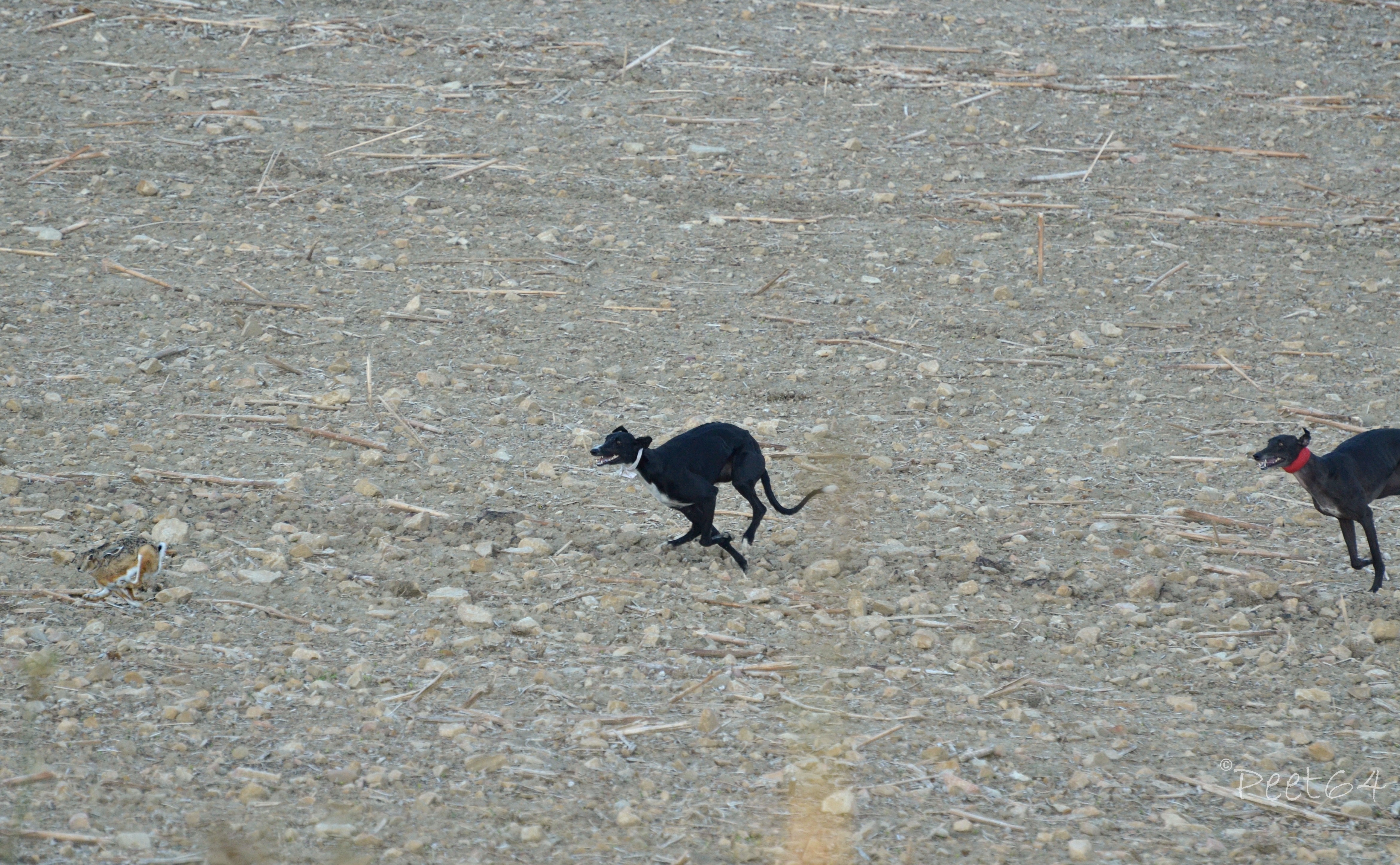
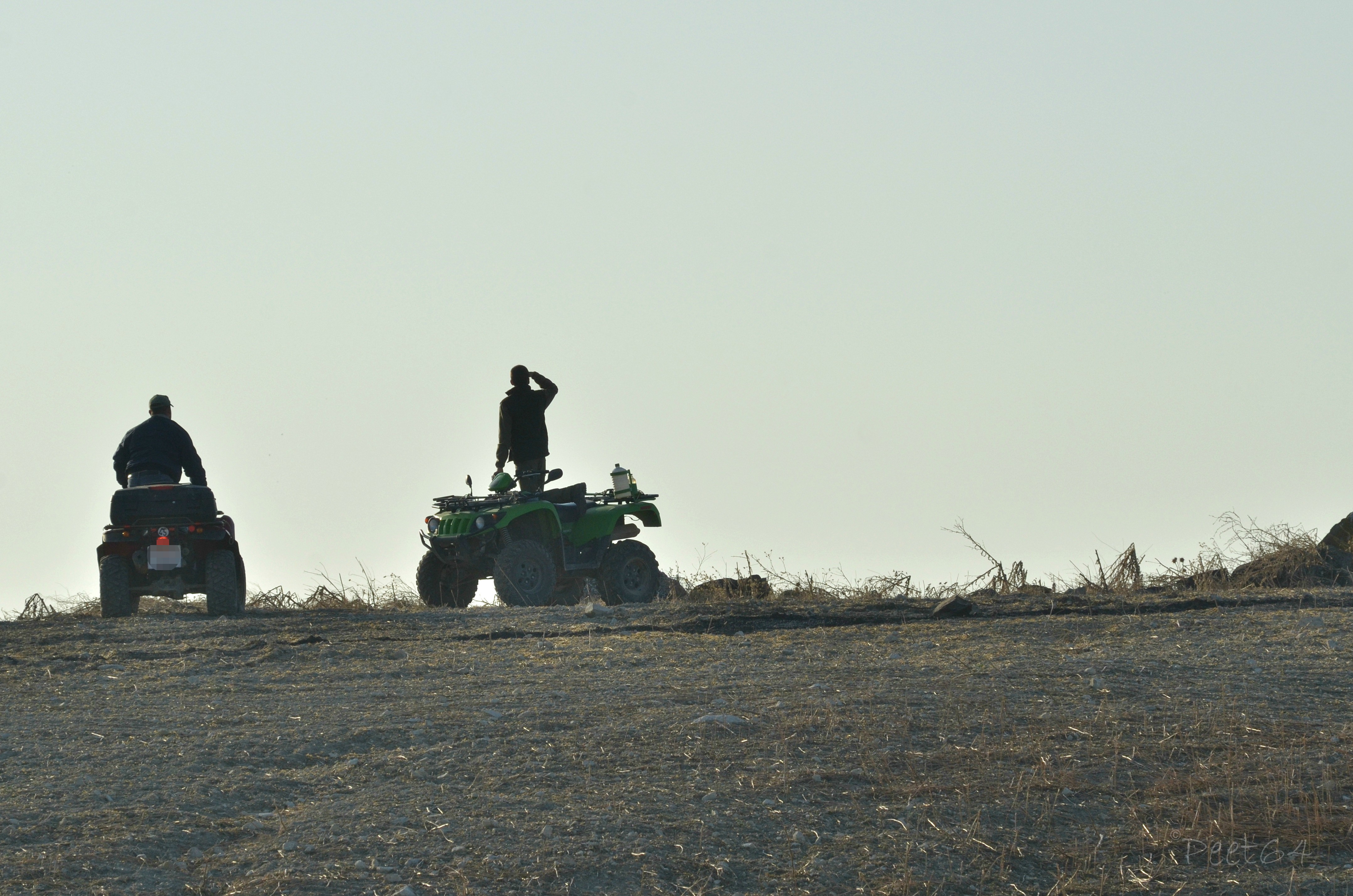
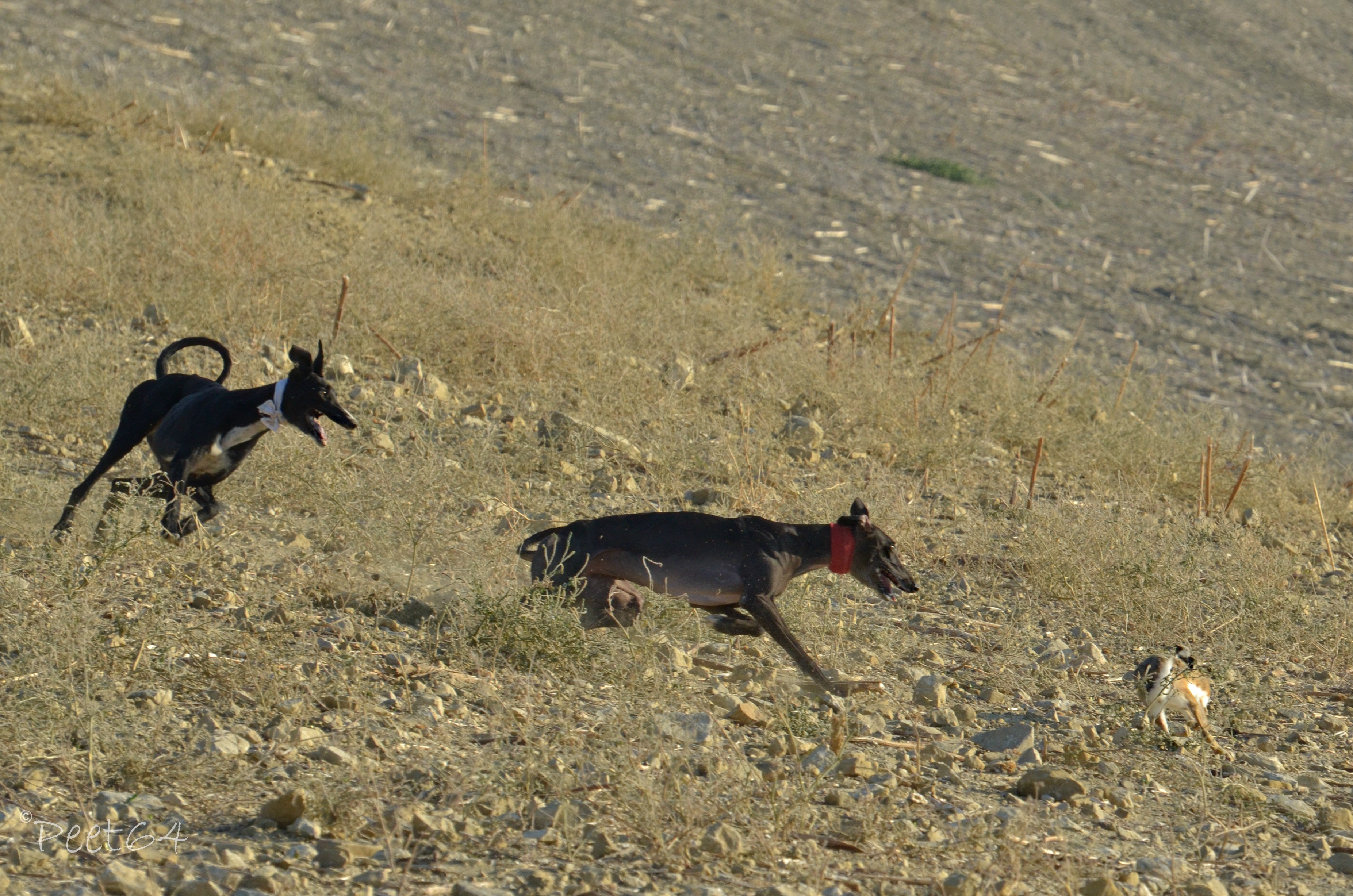
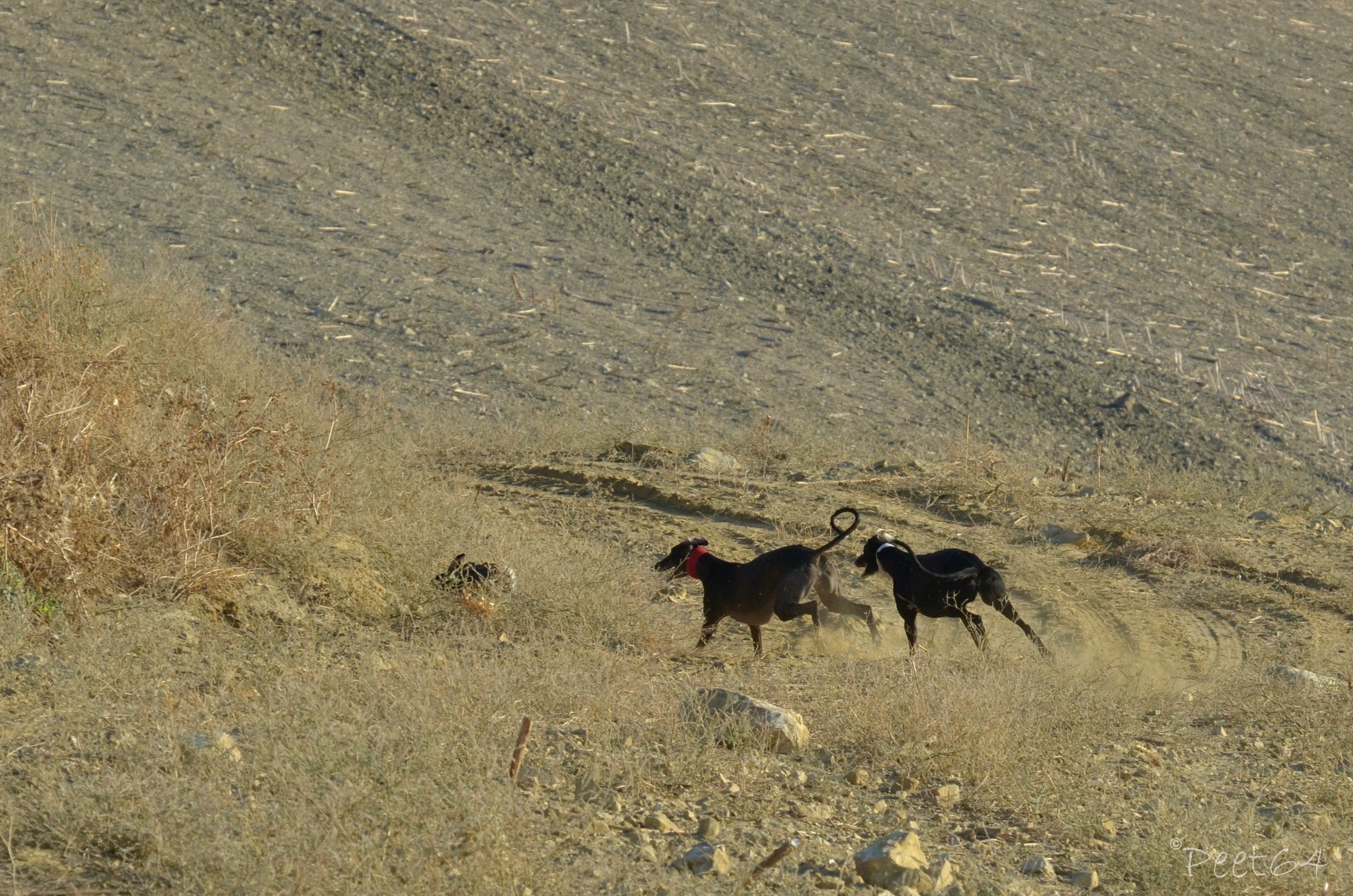
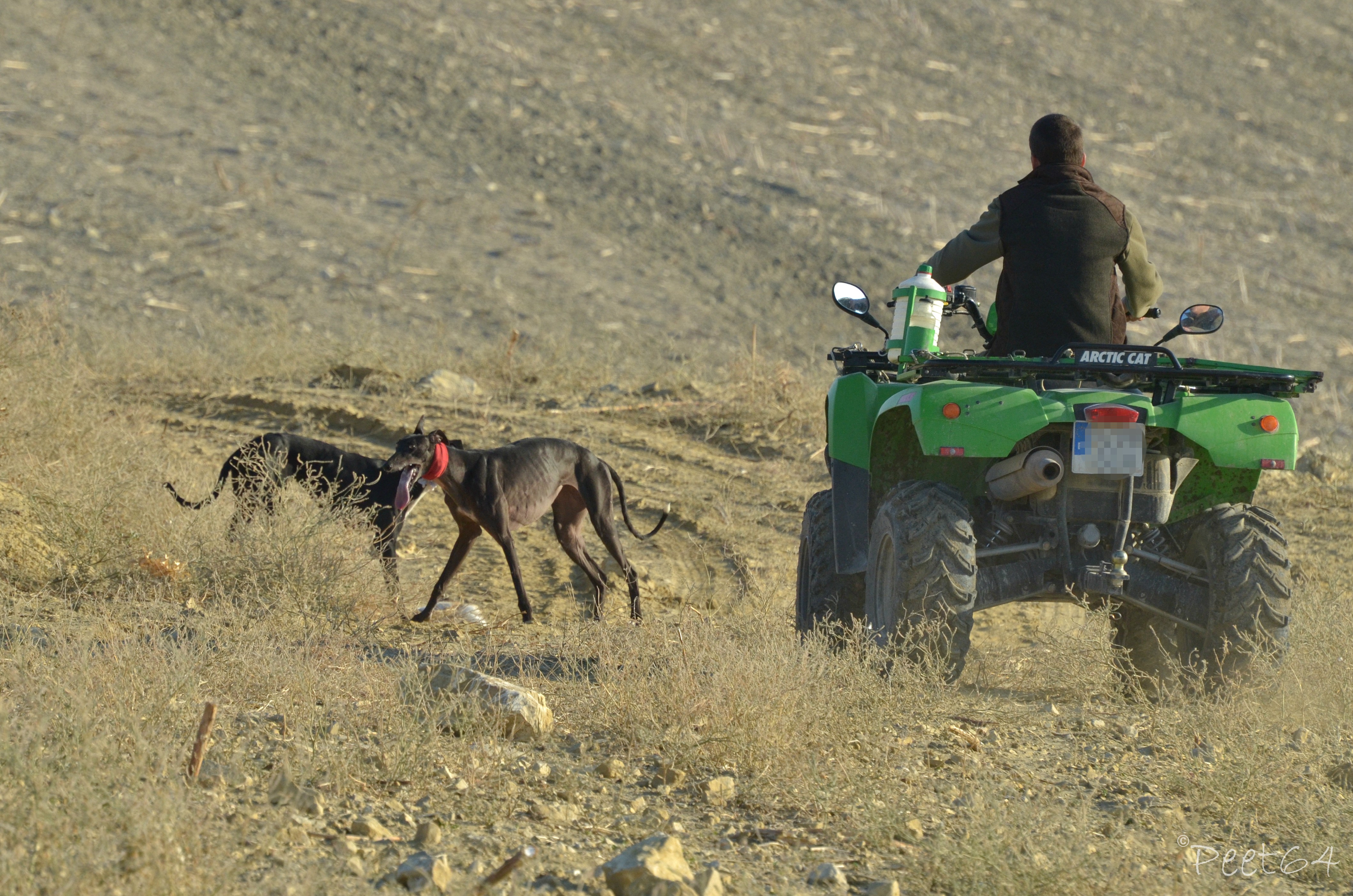
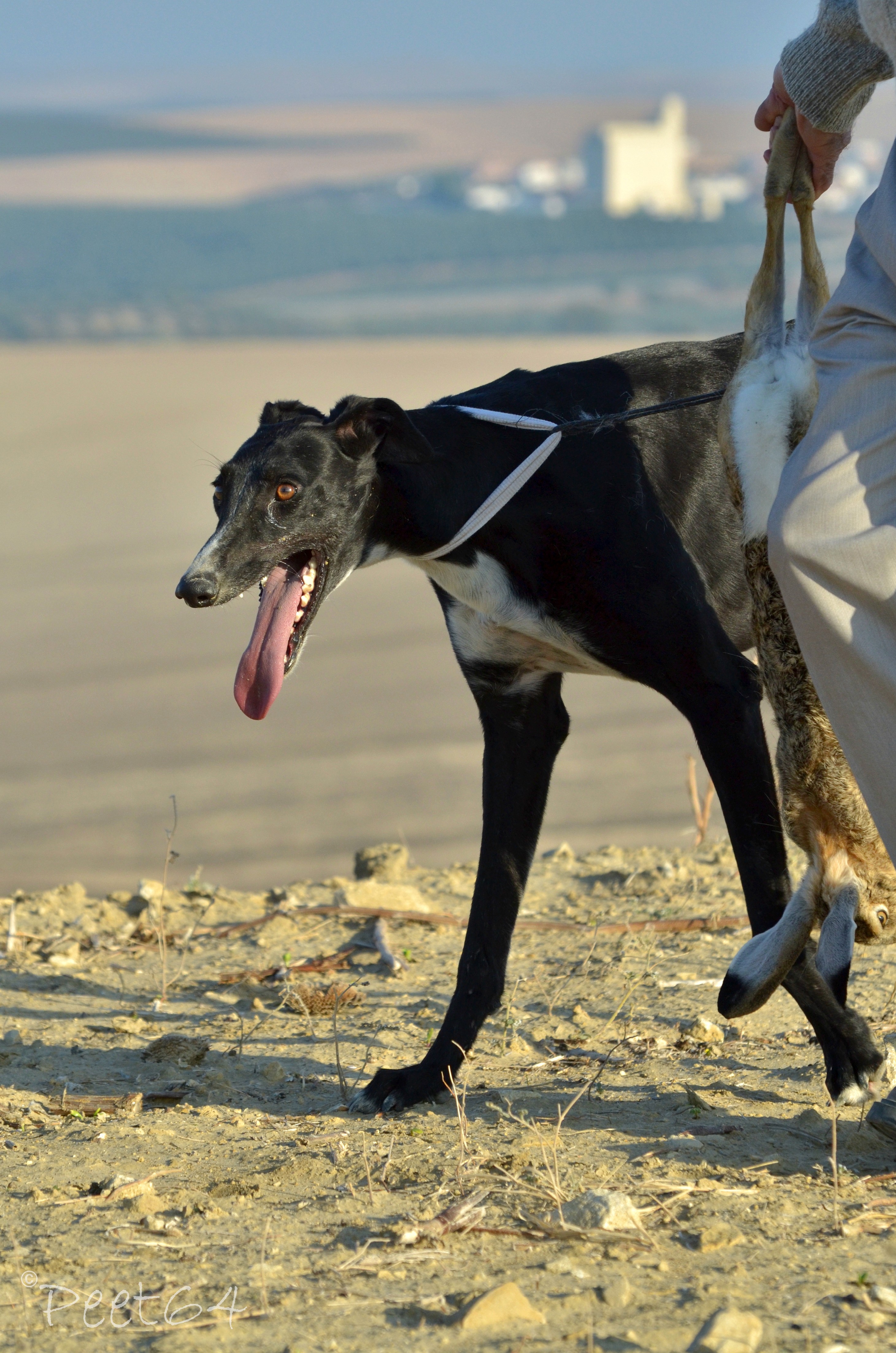
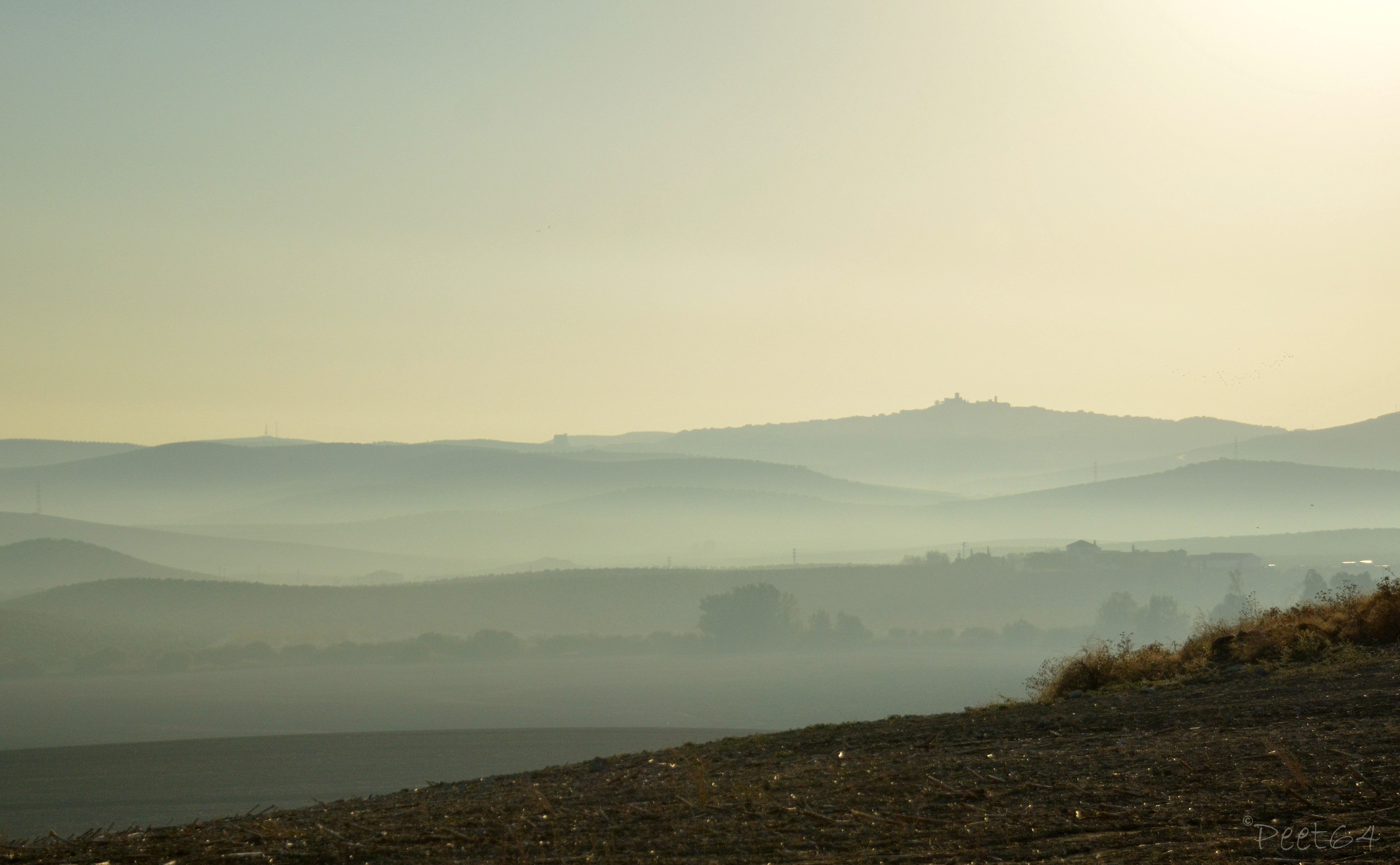
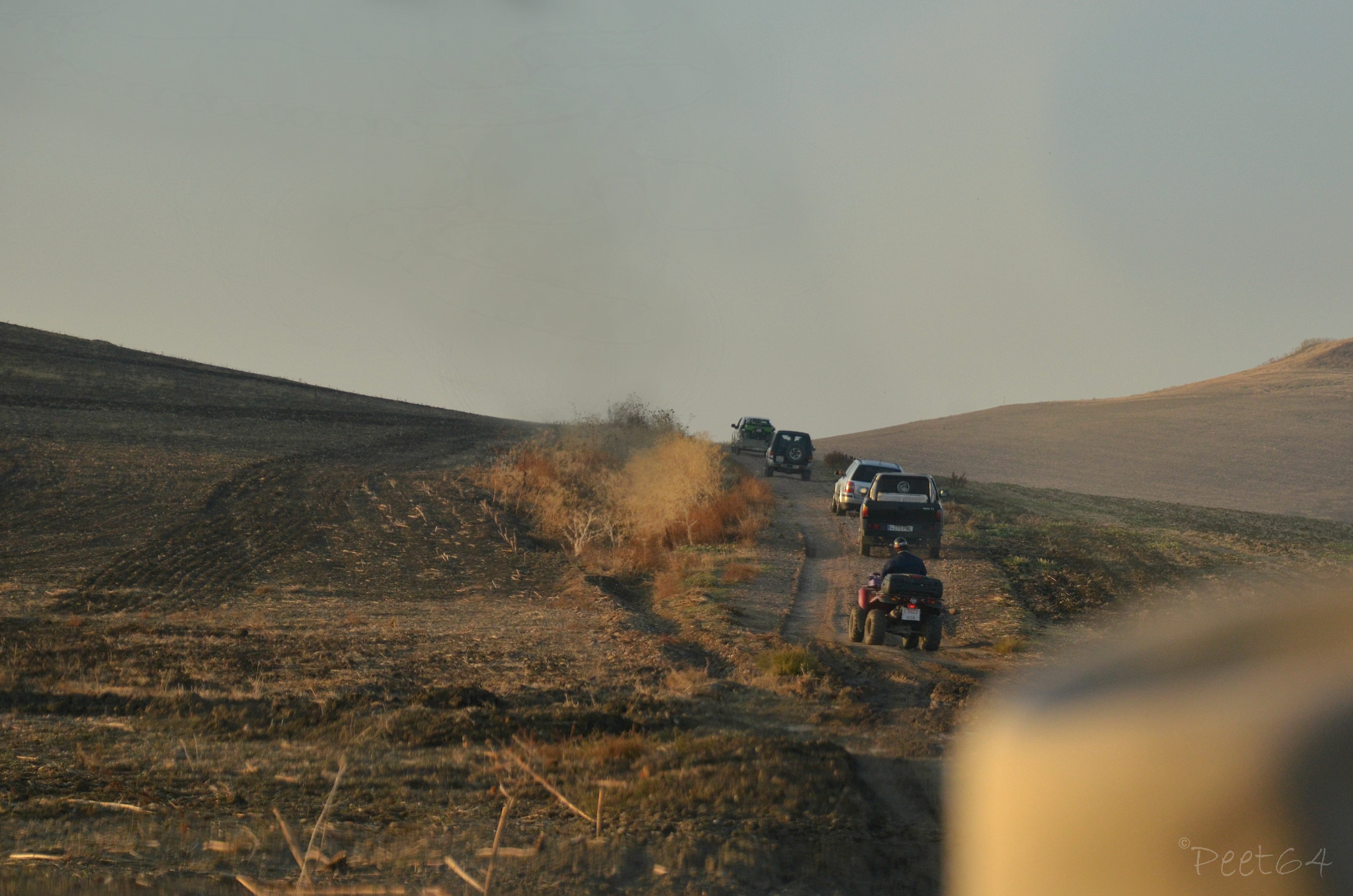
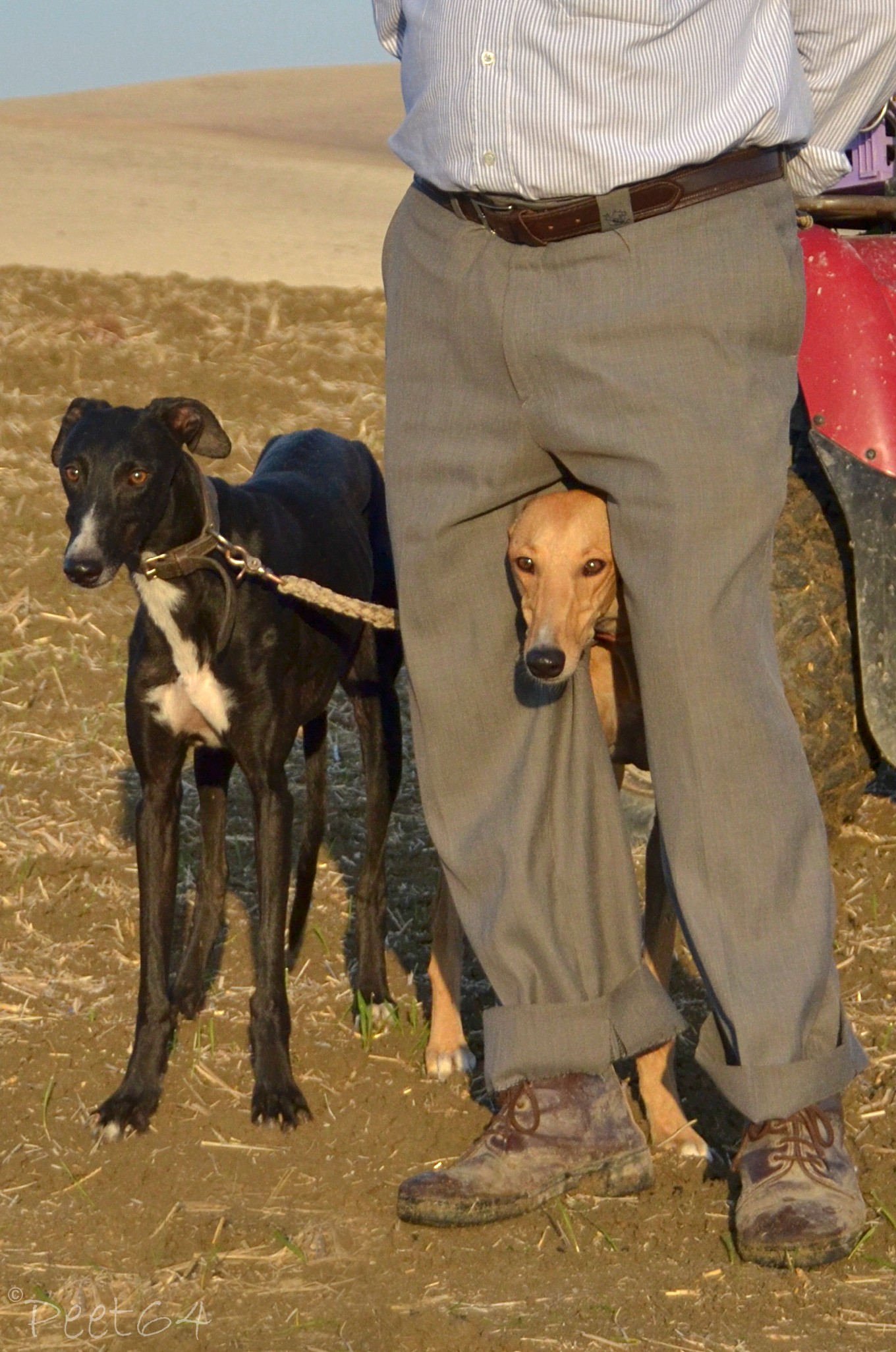
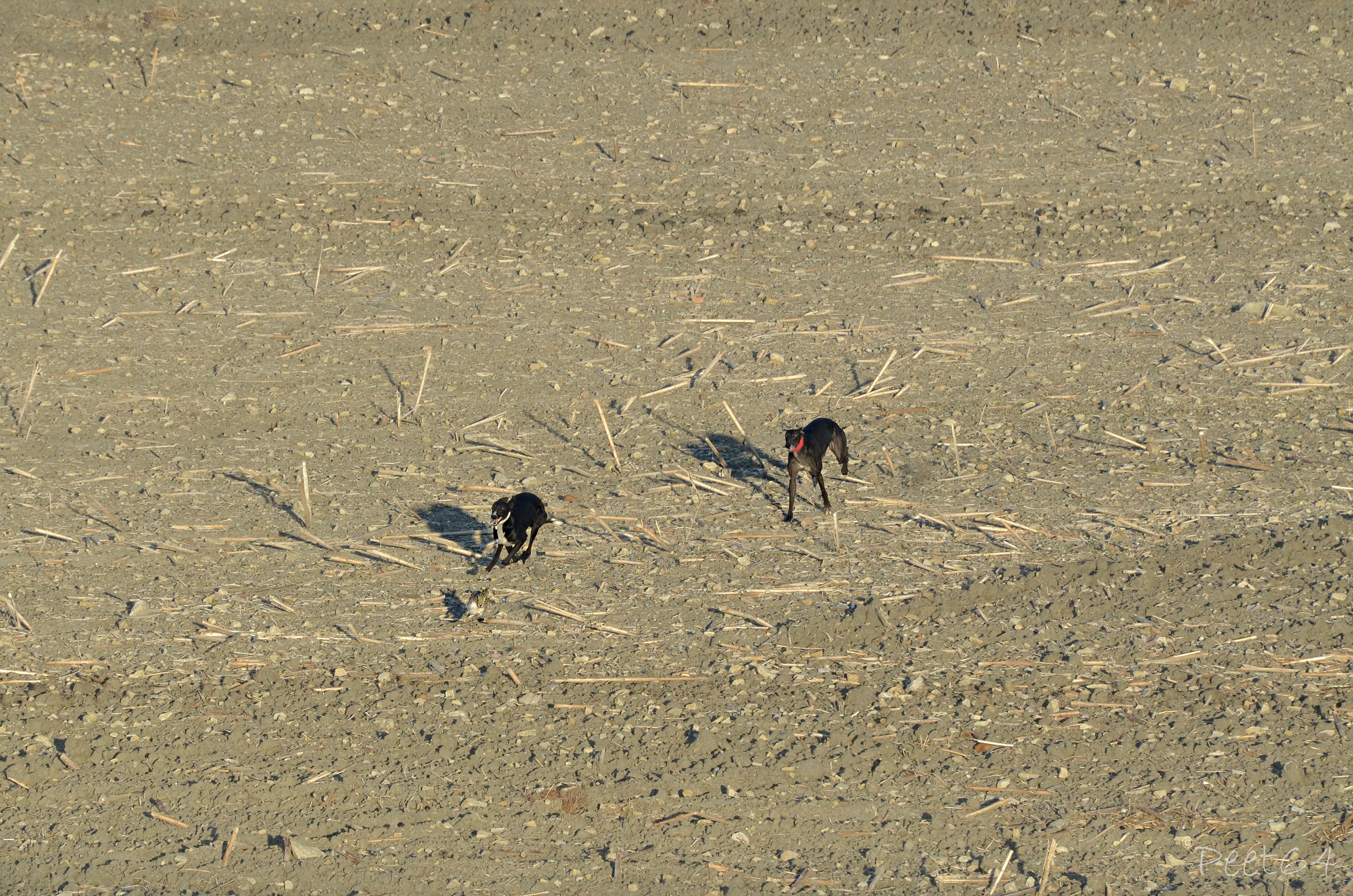
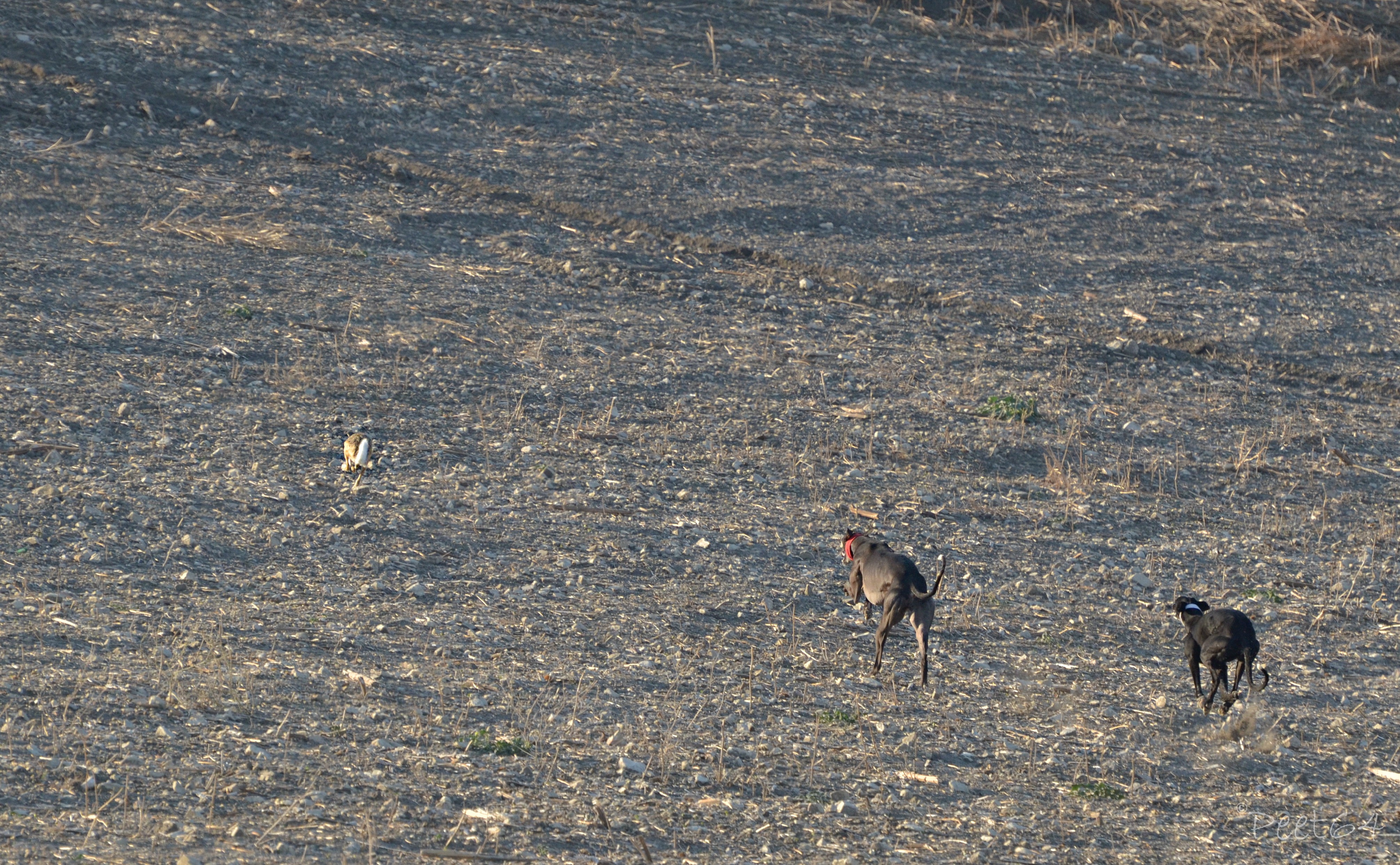
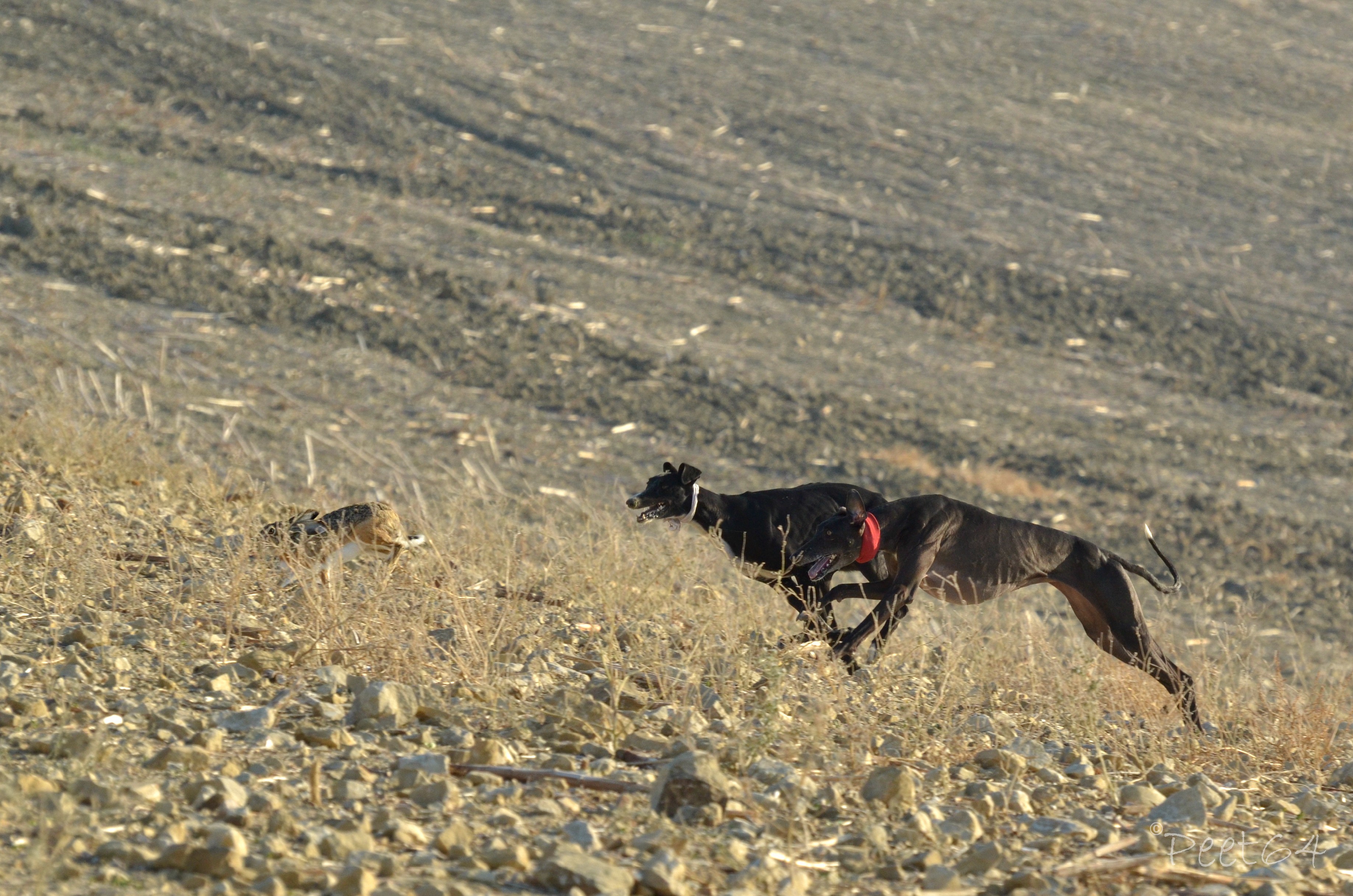
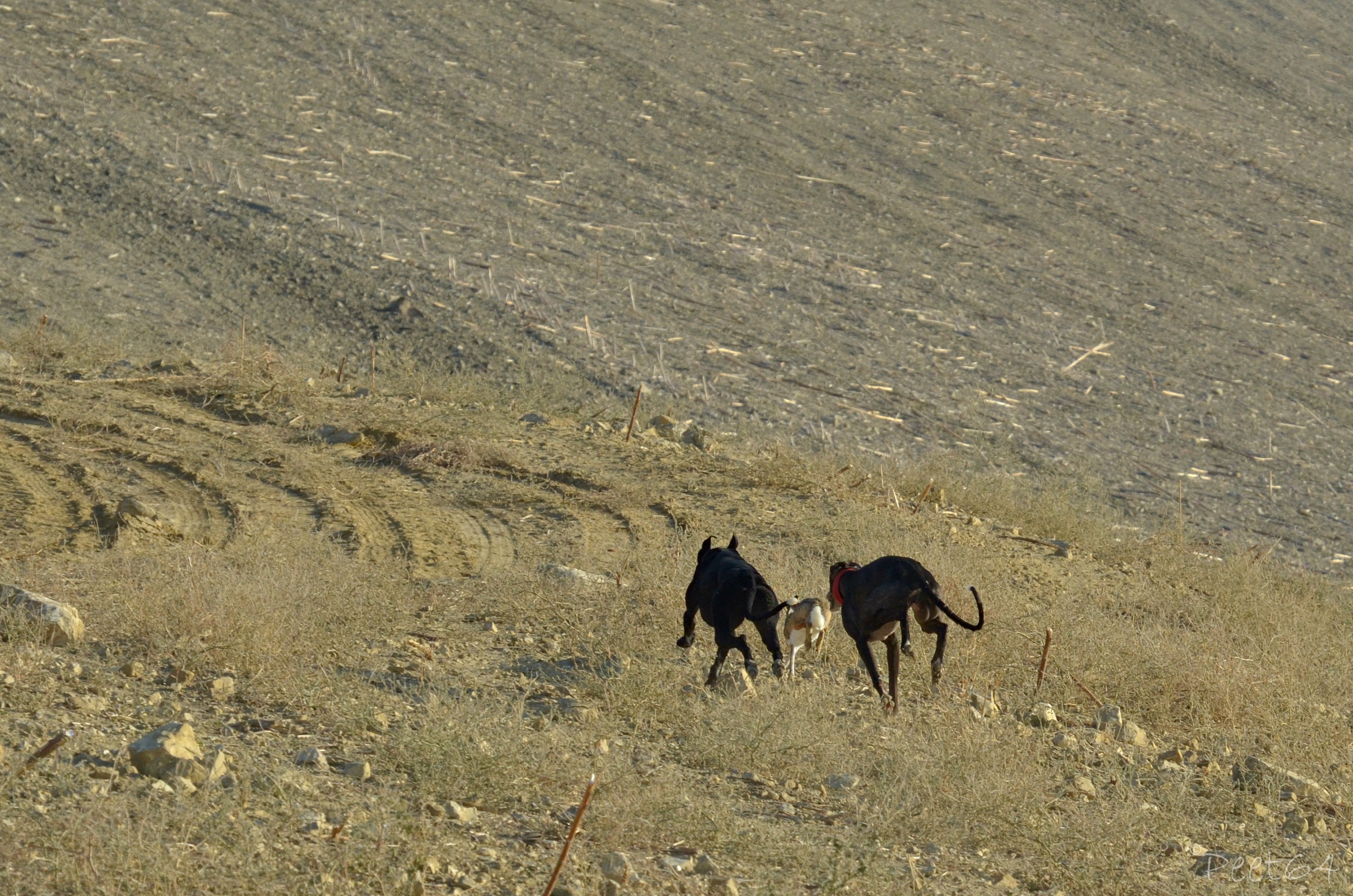
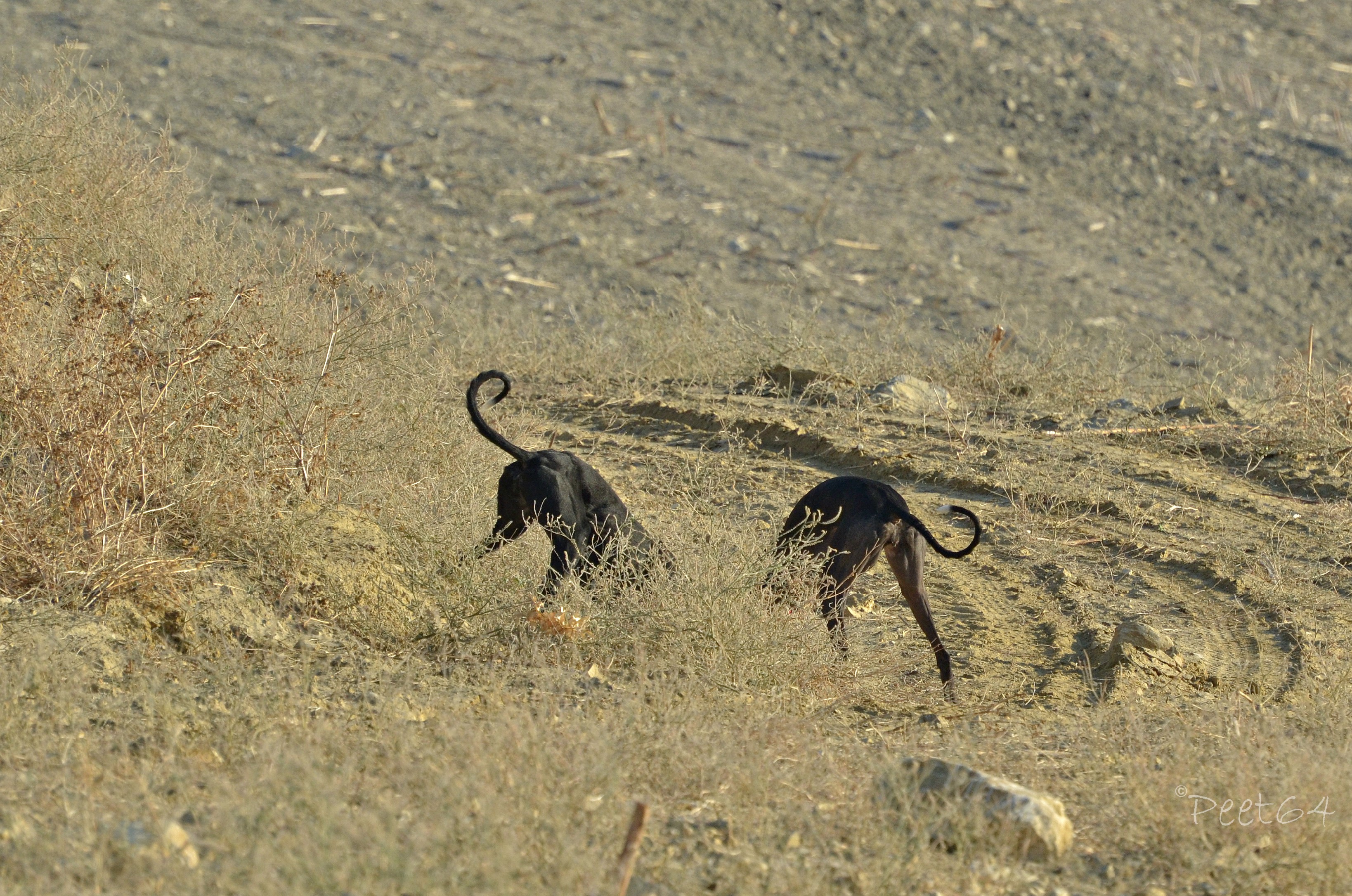
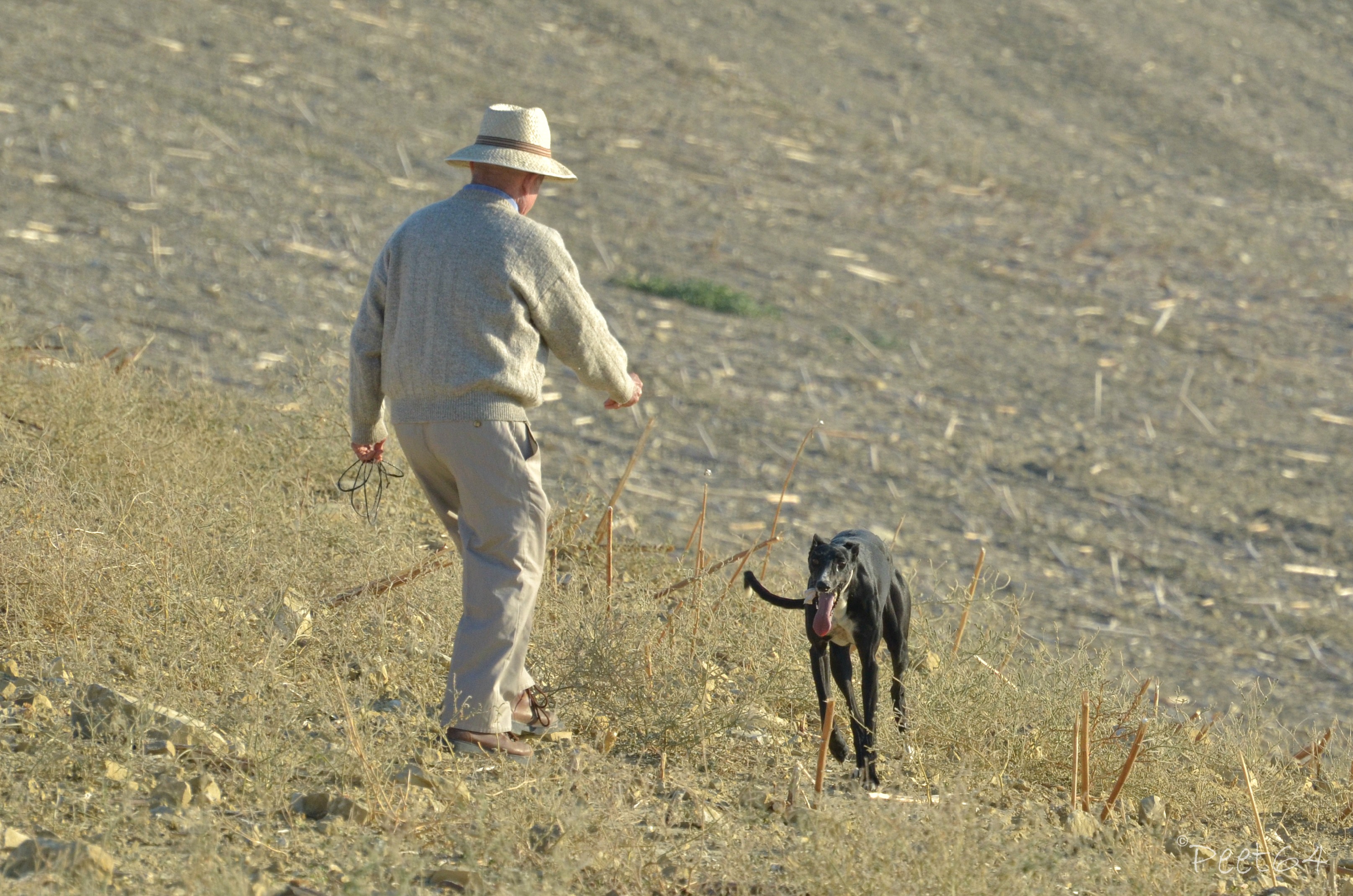
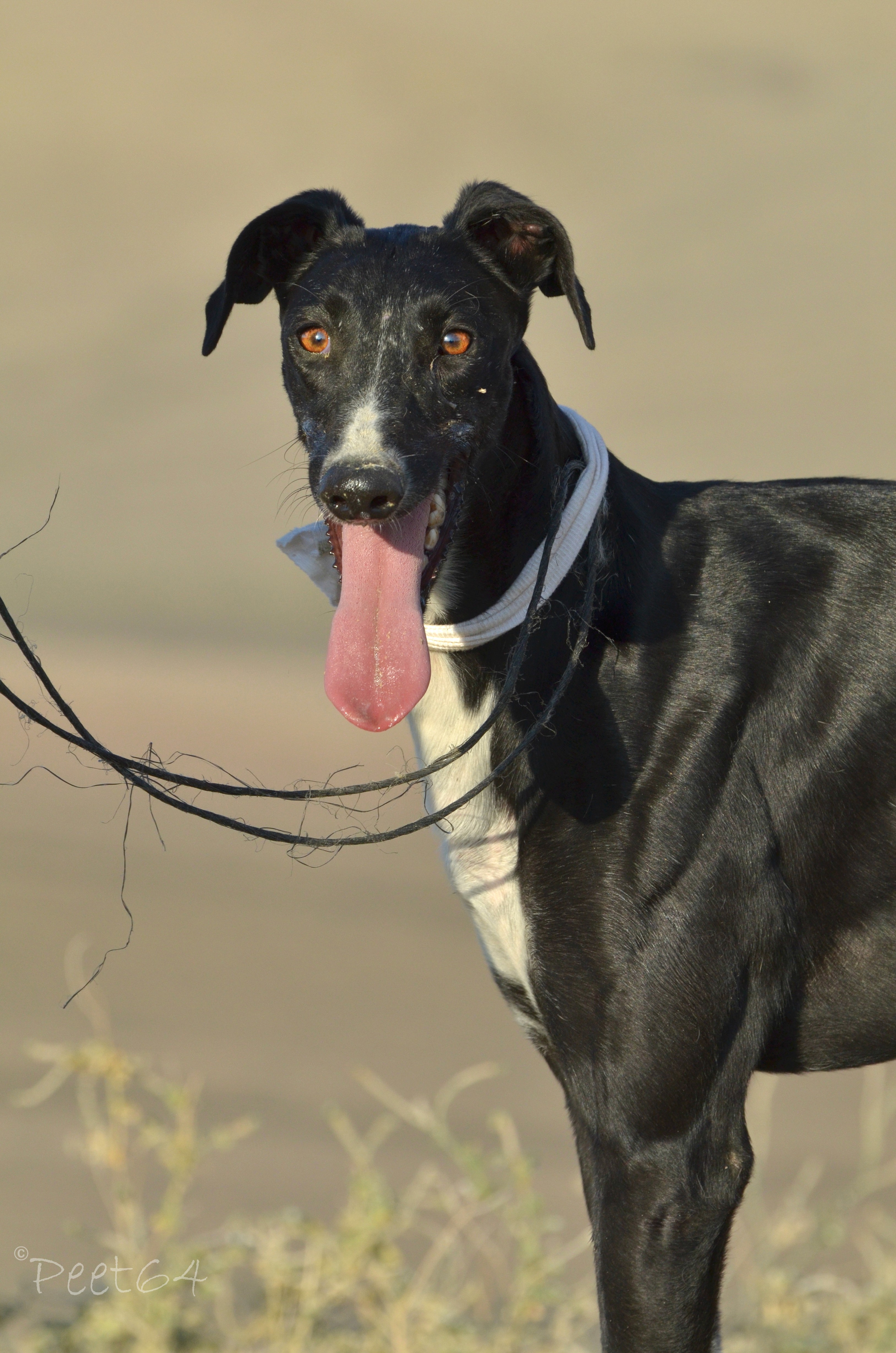
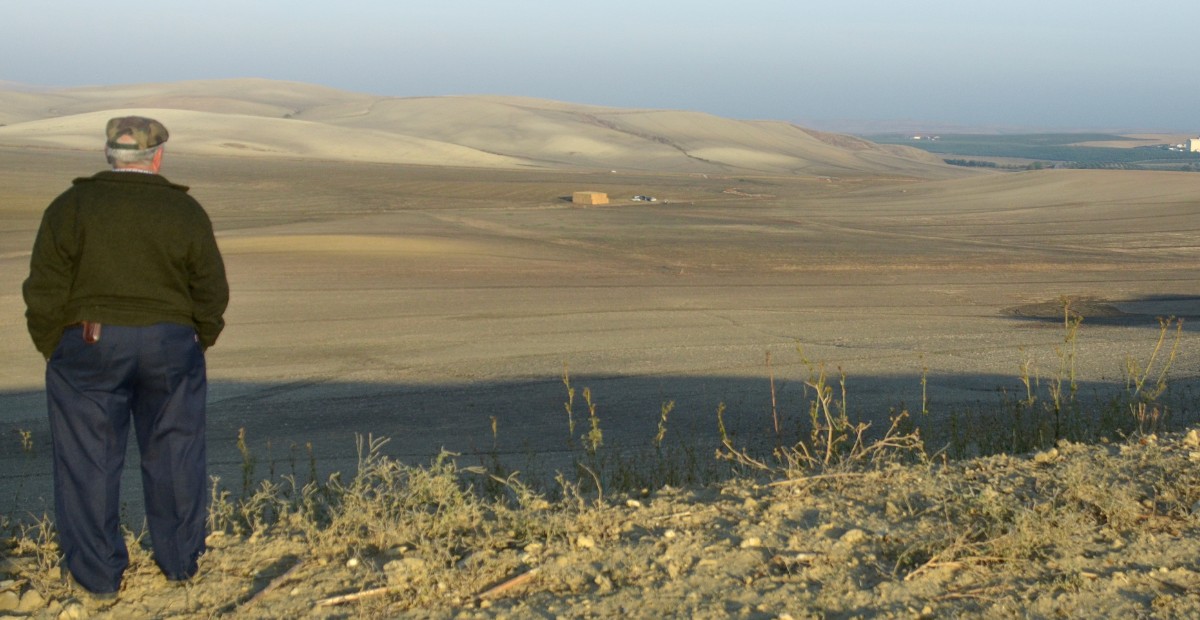
The photos on this page show a hare hunt with galgos in Spain. They were provided to us by American photographer and animal rights activist Petra Postma. In 2011, she was volunteering at a Spanish animal shelter and had the opportunity to accompany galgueros on a hunt with her camera. The galgueros thought she wanted to show the glorious tradition. But Petra was more interested in documenting the exploitation of the dogs.
This documentary shows us why we take to the streets.
Petra is originally from the Netherlands and lives in Dillsburgh, Pennsylvania. She is the founder and chairwoman of SAGE Save A Galgo Español, an American animal welfare organisation that raises awareness about the fate of galgos, supports animal shelters in Spain and finds homes for dogs in the USA.